IICRC Certified | Licensed & Insured | Direct Insurance Billing
24/7 Emergency Response (425) 433-9550
Home › Storm Damage Restoration

Storm Damage Restoration Everett WA

A Puget Sound storm does not break in through one spot. Wind drives rain sideways through siding gaps, lifts shingles, overwhelms gutters, and pushes into foundations all at once. Water Restoration Pros maps every entry point, pulls the water out, and dries the structure before mold takes hold. Local to Everett since 2021. On-site in 60 minutes.

You can call us during the storm, not just after. If your roof has been breached or a window blown out, every hour of active rain entering that opening adds to the damage. Emergency tarping happens while it is still raining.

Call (425) 433-9550 Free Assessment
Call During the Storm, Not Just After

Call During the Storm, Not Just After

Most homeowners wait for the storm to stop before calling. That is the most expensive decision they make. If your roof has a breach, your window is gone, or your siding took a hit, active rain is entering your home right now and soaking into the structure while you wait.

Water Restoration Pros responds during active weather. Here is what happens when you call mid-storm:

  • We tarp the roof breach and board the window or siding gap to stop active water entry.
  • We extract any water already inside so it stops spreading into wall cavities and subfloor.
  • We secure the property against continued wind and water infiltration overnight.
  • We document the storm breach immediately, while the damage is fresh and tied to the weather event.

That last point matters for your insurance claim. Adjusters link coverage to a specific event. Documentation taken during the storm, not two weeks later, is your strongest evidence.
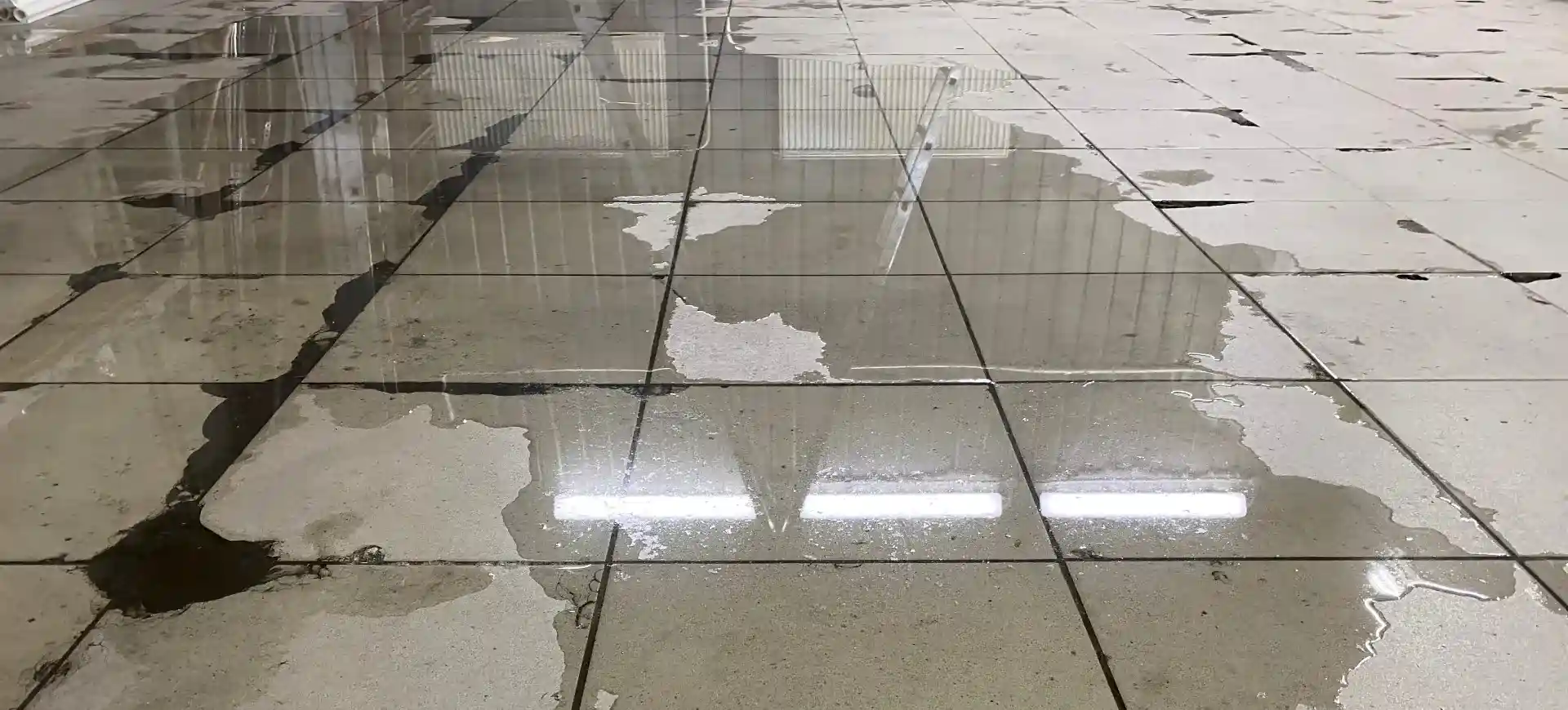
Storm damage restoration in Everett WA
storm-damage-restoration-everett.webp

A Local Everett Storm Restoration Specialist

We are based right here in Everett and have served Snohomish County since 2021. When you call, you reach a local crew that has worked through December atmospheric rivers and Puget Sound windstorms, not a national call center routing your emergency out of state.
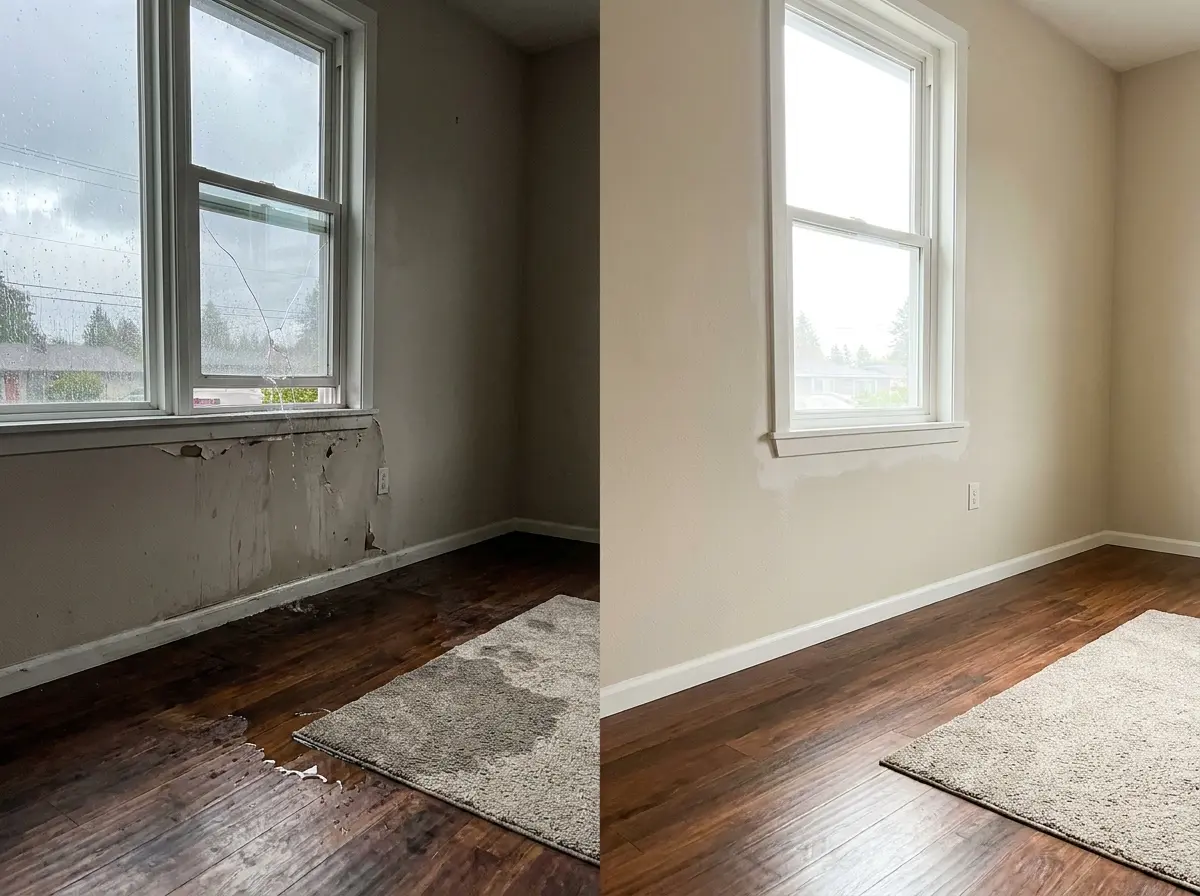
We know these storms. We have responded to multi-day atmospheric rivers, fallen tree events, and the December 2025 storms that flooded Snohomish County. We know where Everett homes are most vulnerable.
We assess every entry point. A storm hits from five directions at once. We map all of them, not just the most obvious one.
We are water extraction specialists. Storm intrusion is a water damage event. Fast, complete extraction before drying is our core skill.
We handle your claim. We document the storm breach, link it to the event date, and prepare the record adjusters need to approve coverage.
We are IICRC certified. We follow the restoration industry standard on every job.

Storm water in your home right now?

Our Everett crew is ready — 60-minute arrival, any hour.

(425) 433-9550
Act Now

What to Do During and After Storm Damage in Everett

The steps you take in the first few hours decide how wide the damage spreads. Here is what to do, in order.

During the Storm
1

Photograph from inside through windows before going out. Exterior conditions during an active windstorm are dangerous.

2

Call for emergency tarping if you have a breach — a missing shingle or cracked siding is enough. Do not wait for the storm to end.

3

Stay away from downed power lines, damaged roof edges, and any structure that sounds like it shifted. Do not go onto the roof during active wind.

4

Move electronics, documents, and valuables off the floor while it is safe to do so if water is entering.

Right After the Storm
5

Photograph everything before any cleanup. Do not remove damaged materials, furniture, or flooring before the adjuster has seen them.

6

Do not run household fans. This is counter-intuitive but important. Fans push air from wet areas into dry wall cavities, spreading moisture into spaces that were not affected. Call for a professional moisture assessment before any drying starts.

7

Call Water Restoration Pros for a thermal imaging assessment. We trace every wet path from every entry point before touching anything.

Where Water Gets In

The Five Places Storm Water Enters Your Everett Home

A burst pipe has one source. A storm has five, all active at the same time. A complete assessment maps every entry point, because missing one means the water keeps spreading.

1. Roof Penetrations

Wind lifts shingles, cracks ridge caps, and breaks the seal around chimney flashing and roof vents. Rain follows immediately into the attic, then travels downward. Coastal Everett properties in Port Gardner and Bayside face an added factor: salt air from Puget Sound corrodes metal flashing and roof fasteners faster than homes ten miles inland, making these entry points fail sooner.

2. Siding and Wall Penetrations

Horizontal wind forces rain past siding laps and into the sheathing beneath. Any gap where caulk has dried, shrunk, or cracked around windows, pipes, or utility penetrations becomes an open channel under horizontal rain that would never drip under vertical rain. The water enters the wall cavity and travels down, often for 20 to 30 feet before it appears at floor level.

3. Window and Door Frames

Wind pressure during gusts deforms window frames and door thresholds, breaking seals that work fine in calm weather. Older windows in Everett pre-1970 homes are especially vulnerable, as glazing compound and weatherstripping harden and crack over decades. A window that looks sound at street level may be leaking at the frame during a 60-mph gust.

4. Gutters Overflowing onto the Foundation

When gutters clog with debris or are overwhelmed by inflow, water runs over the side and down the exterior wall. It then soaks into the soil directly against the foundation, building the same hydrostatic pressure against basement walls that a rising water table would. The source is the storm, but the mechanism looks exactly like foundation seepage.

5. Surface Water and Drain Backup

Fully saturated ground cannot absorb more water. Downspout discharge, driveway runoff, and surface sheet flow have nowhere to go and travel toward the lowest point, which is often a window well, floor drain, or crawl space vent. This is surface water entry and has different insurance implications from the other four. See our flood damage page for how surface water coverage differs from storm water intrusion.

Free Storm Damage Inspection

Worried hidden storm damage is spreading in your walls?

We find every entry point and moisture pocket before mold takes hold.

Common Misdiagnosis

Why Water in Your Basement Probably Came From the Roof

This is the most common storm damage misdiagnosis we see in Everett. Water appears on the basement floor. The foundation wall looks dry. A waterproofing company gets called. But the basement is not the problem.

How water travels inside a wall

Storm water entering through a roof breach or high siding gap follows gravity down through the wall cavity: soaking insulation, running down the sheathing, passing through the wall-floor joint, and pooling on the basement floor 20 to 30 feet below where it entered.

Why the misdiagnosis happens

Homeowners look where the water is, not where it entered. Fixing only the basement leaves the actual entry point open for the next storm.

How we find the real source

Thermal imaging traces the wet path upward from the floor to the entry point. We always start at the roof and work down. One reliable diagnostic: if the basement only gets water during windstorms but not heavy rain without wind, the entry is in the upper walls or roof — not the foundation.

Water in Your Basement After a Storm? Call Us
Storm damage assessment Everett WA
storm-damage-everett.webp
Our Process

Our Storm Damage Restoration Process in Everett

Restoring a storm-damaged home is more complex than a single-source water event because multiple wall systems are wet at the same time and each has to be addressed in sequence. Here is how we work.

1

Seal All Breaches First

Before moisture mapping begins, we seal every open entry point: tarp the roof, board the windows, seal siding gaps. Active water entry invalidates any moisture readings while it is happening. Securing the structure is the first step, not the last.

2

Thermal Imaging & Multi-Point Moisture Mapping

With entry points sealed, we map every wet path using an infrared camera and moisture meters. We trace each path from the entry point downward through the wall, into the floor, and to the final collection point. The goal is a complete picture of every water path in the building, not just the worst one.

3

Extract Standing Water & Remove Saturated Materials

Industrial extractors pull water from floors and saturated carpet. In walls where moisture reached insulation, we open the drywall to remove the wet material and expose the cavity for drying. Storm damage often requires openings at multiple locations because the entry points are spread across the exterior.

4

Dry Multiple Wet Systems Simultaneously

This is where storm drying differs from a single-source job. With several wall sections wet at once, air mover placement has to be coordinated across entry points. Pushing air from one wet cavity into an adjacent dry one spreads the moisture. We set up positive or negative pressure drying specific to the layout of each wet path.

5

Document and Close the Claim

Every entry point is sealed permanently before the insurance documentation is finalized. Our report ties each wet path back to its breach, photographs the storm damage at the entry, and includes the weather event date. This structure directly addresses the adjuster challenge of maintenance vs sudden damage.

Call for a 60-Minute Response
Start Today

Ready to restore your Everett home after the storm?

One call covers extraction, drying, tarping, and full insurance documentation.

Insurance Coverage

Storm Damage Insurance in Everett: What IS Covered and What Adjusters Challenge

Storm damage from wind and rain is a covered peril under standard homeowners insurance in Washington. That means the restoration cost, temporary board-up, material replacement, and your contents damaged by the water are all part of the claim. You pay your deductible; your insurer handles the rest.

What Is Covered

  • Wind damage to your roof, siding, and windows
  • Water intrusion that entered through a storm-damaged opening
  • Damage from fallen trees
  • The cost of restoration including extraction, drying, material removal, and rebuild
  • Additional living expenses if the home is uninhabitable

What Is Not Covered

  • River flooding and groundwater intrusion — these need NFIP flood coverage
  • Gradual seepage over time
  • Mold from a prior water event that was not addressed
  • Long-term maintenance failures unrelated to the storm

The Adjuster Challenge: Maintenance Versus Sudden Damage

Here is where claims get complicated in Washington after a storm. As explained in Washington insurance claim guidance, insurers often try to divide storm damage into sudden damage (covered) and deferred maintenance (excluded). If your roof had aging shingles that a storm then breached, the adjuster may argue the shingles were already past their life and the storm just finished the job. Without a clear narrative linking specific damage to a specific weather event, storm claims can be partially denied or significantly reduced.

How We Defend Your Claim

We document the breach photographically, record the entry point coordinates, and attach the weather event data for the storm date. We note what was intact before the storm and what was breached by it. The report is structured to answer the maintenance objection directly rather than leaving the adjuster to make the interpretation.

Storm Claim Being Disputed? Call Us
Cost Guide

Storm Damage Restoration Cost in Everett, WA

Restoration cost after a storm depends on how many entry points are active and how far the water traveled before it was stopped. A single small roof breach caught quickly is a very different job from three simultaneous entry points with water in two floors of wall cavities.

Storm Scope Typical Cost What Drives Cost Higher
Single entry point, limited spread$2,000 to $8,000Depth of travel, material type
Multiple entry points$8,000 to $25,000Wall cavity removal, drying scope
Structural wind or tree damage$25,000 to $100,000+Rebuild scope, structural repair
Major multi-floor structural loss$50,000 to $200,000+Extent of structure, temporary housing

What drives the cost up: how many entry points were active, how long the water ran before the structure was sealed, whether wall cavities had to be opened for drying, and whether structural elements like rafters or wall framing need replacement. All of these costs are covered under homeowners insurance for a storm-caused event.

Call for a Free, No-Obligation Assessment

Want a full quote with storm repairs included?

Free same-day assessment — we document and bill your insurer directly.

Call for Free Quote
Local Storm Risk

How Puget Sound Storms Damage Everett Homes

Everett gets two distinct storm types, and both damage homes in ways standard building design does not anticipate.

Atmospheric Rivers

These are multi-day rain events, not single storms. The December 2025 system dropped rain for 18 straight days across Snohomish County. Prolonged soaking exhausts drainage systems and forces water into roofing and siding joints that handle brief heavy rain fine.

Puget Sound Windstorms

Wind funnels through the Strait of Juan de Fuca and hits Everett at 55 to 70 mph. The 2006 Hanukkah Eve storm knocked out power to 1.8 million people. Unlike inland storms, these bring rain and wind together — sometimes for hours.

Wind-Driven Rain

Rain at 45 degrees or steeper bypasses everything: siding laps, lifted shingles, dried caulk around windows. It enters gaps that stop vertical rain completely.

Saturated Soil

After days of rain, even moderate wind topples trees. Falling trees open roofs in seconds. Saturated soil also raises the water table, pushing upward on basement floors at the same time rain is entering from above.

Service Area

Storm Damage Restoration Across Everett and Snohomish County

We cover all of Everett, including zip codes 98201, 98203, and 98208. Each neighborhood faces different weather risks, and we know each of them.

Port Gardner and Bayside

Sit along the Puget Sound waterfront. Salt-laden air corrodes metal flashing, gutters, and roof fasteners faster than inland areas. These neighborhoods feel windstorms first and hardest, and their older roofing components fail at lower wind speeds as a result.

Riverside and Lowell

Border the Snohomish River. During atmospheric river events, the river water table rises at the same time storm water is entering from above. These homes face pressure from two directions simultaneously, a compound event that requires assessment of both surface entry and subsurface water table.

Central and Northwest Everett

Have the highest concentration of pre-1970 homes with aging siding, weatherstripping, and windows. Horizontal wind-driven rain finds these vulnerabilities faster than any other neighborhood type in the city.

Beyond Everett, we serve Marysville, Mukilteo, Lake Stevens, Mill Creek, Lynnwood, Snohomish, Bothell, and Edmonds. Mukilteo and Edmonds share the same Puget Sound waterfront exposure as Port Gardner.

Storm Damage Anywhere in Snohomish County? Call 24/7
Call Now — We Cover Your Area
Available 24 Hours — 7 Days a Week
FAQs

Frequently Asked Questions About Storm Damage in Everett

Yes. If your roof has been breached or a window blown out, call immediately. We arrive with tarps and boards, seal the opening, and begin extracting any water already inside. Waiting until the storm ends means active water entry continues for hours. Emergency tarping and board-up happen during active weather when access is safe.

Storm water often enters through a roof breach or upper siding gap and travels down inside the wall cavity before appearing at the floor level. The entry point can be 20 to 30 feet above where the water shows up. Thermal imaging traces the wet path upward from the basement to find where it actually entered the building.

Yes. Wind damage, storm-driven rain intrusion, and damage from fallen trees are all covered perils. The challenge is documentation: insurers may argue that damage came from deferred maintenance rather than the storm. We document the storm breach and link it to the specific weather event to address that objection directly.

Yes. Sudden wind damage and the water intrusion that follows through a storm-breached opening are part of a standard storm claim. Coverage may be disputed if the insurer argues that aging materials were already failing before the storm. Pre-storm documentation and a clear breach-to-damage narrative are the best protection.

No. Household fans push air from wet wall areas into adjacent dry cavities, spreading moisture into spaces that were not affected. Professional storm drying uses pressure-controlled equipment positioned around the specific entry points. Running fans before a moisture assessment can significantly expand the drying scope and cost.

A single entry point with limited water travel takes five to seven days for extraction and drying. Multiple entry points with wall cavity removal take two to four weeks. Structural damage from a tree or major wind event requiring rebuild can take months. How quickly the structure was sealed after the breach is the biggest factor in the timeline.

Look for discolored patches or soft spots on walls or ceilings that appeared after a storm, a musty smell in rooms that were not wet, wood floors that feel slightly spongy, or water stains that appear far from any obvious exterior breach. Thermal imaging finds moisture inside walls before it shows at the surface.

No. Adjusters need to see original damage to set the full claim value. Do not remove damaged materials, flooring, or contents before documentation is complete. We photograph and measure everything before any removal begins, and that record supports your claim. You can move items to prevent further damage, but preserve the evidence.

A single entry point with limited spread runs $2,000 to $8,000. Multiple simultaneous entry points with wall cavity damage run $8,000 to $25,000. Structural wind or tree damage requiring rebuild can reach $50,000 to $200,000 or more. Homeowners insurance covers these events, so your out-of-pocket cost is your deductible.

This is the most common storm claim dispute in Washington. The defense is documentation: weather data for the storm date, photos showing the damage was not present before the storm, and a report linking each breach to the wind event. We build this into our restoration record to answer the adjuster objection directly rather than leaving it open to interpretation.

Still have questions about storm damage restoration?

Our Everett team is live right now — no bots, no hold music.

(425) 433-9550

Water Emergency in Everett?

Our IICRC-certified crew is ready 24/7. We respond in 60 minutes — nights, weekends, and holidays.

(425) 433-9550
IICRC Certified 60-Min Response Direct Insurance Billing Licensed & Bonded
24/7 Emergency (425) 433-9550