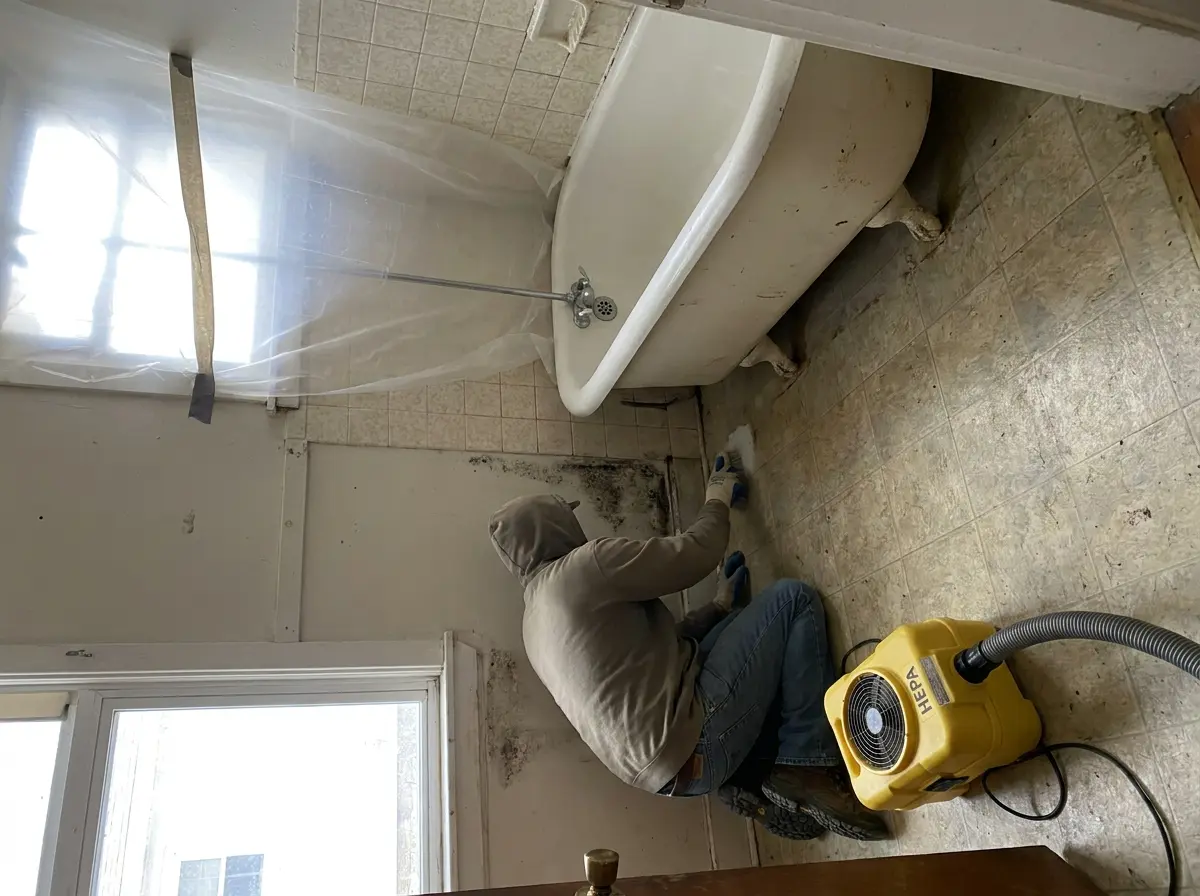
Found mold in your Everett home? Water Restoration Pros gives you a free inspection, lab testing when you need it, and a clear quote before any work starts. Our IICRC-certified crew seals off the area, removes the mold safely, and checks your air before we leave.
Most people who call us found a couple of spots and are not sure how bad it is. Small surface mold and hidden mold inside a wall are handled very differently, and a proper inspection tells you which one you have. In our damp Everett climate, mold is common, and it is fixable.
We are based right here in Everett and have served Snohomish County since 2021. When you call, you reach a local team that knows our wet climate and our older homes — not a national hotline that routes your problem out of state.
EPA guidance: Any moldy area larger than 10 square feet should be handled by a professional. A real inspection matters more than a guess. EPA mold guide →
Mold in your Everett home right now?
Our crew is ready — same-day inspection, any hour.
People call us wanting a free inspection and a clear answer about their options. Here is how we handle it.
A technician walks your home and looks for visible growth. We use moisture meters and an infrared camera to find hidden wet spots behind walls and ceilings, because mold follows moisture. You get an honest read on what is going on and a written quote, at no cost.
Sometimes we take air or surface samples and send them to a lab to identify the mold type and spore levels. Testing runs about $250 to $350. But here is the honest part: the EPA notes that if mold is already visible, sampling is often unnecessary before cleanup. We will tell you if you actually need it instead of adding a charge you do not.
We follow a set protocol every time: inspect, contain, filter the air, remove, dry, and verify. The full step-by-step is below so you know exactly what to expect.
Get a Free Inspection TodayWorried hidden mold is growing in your home?
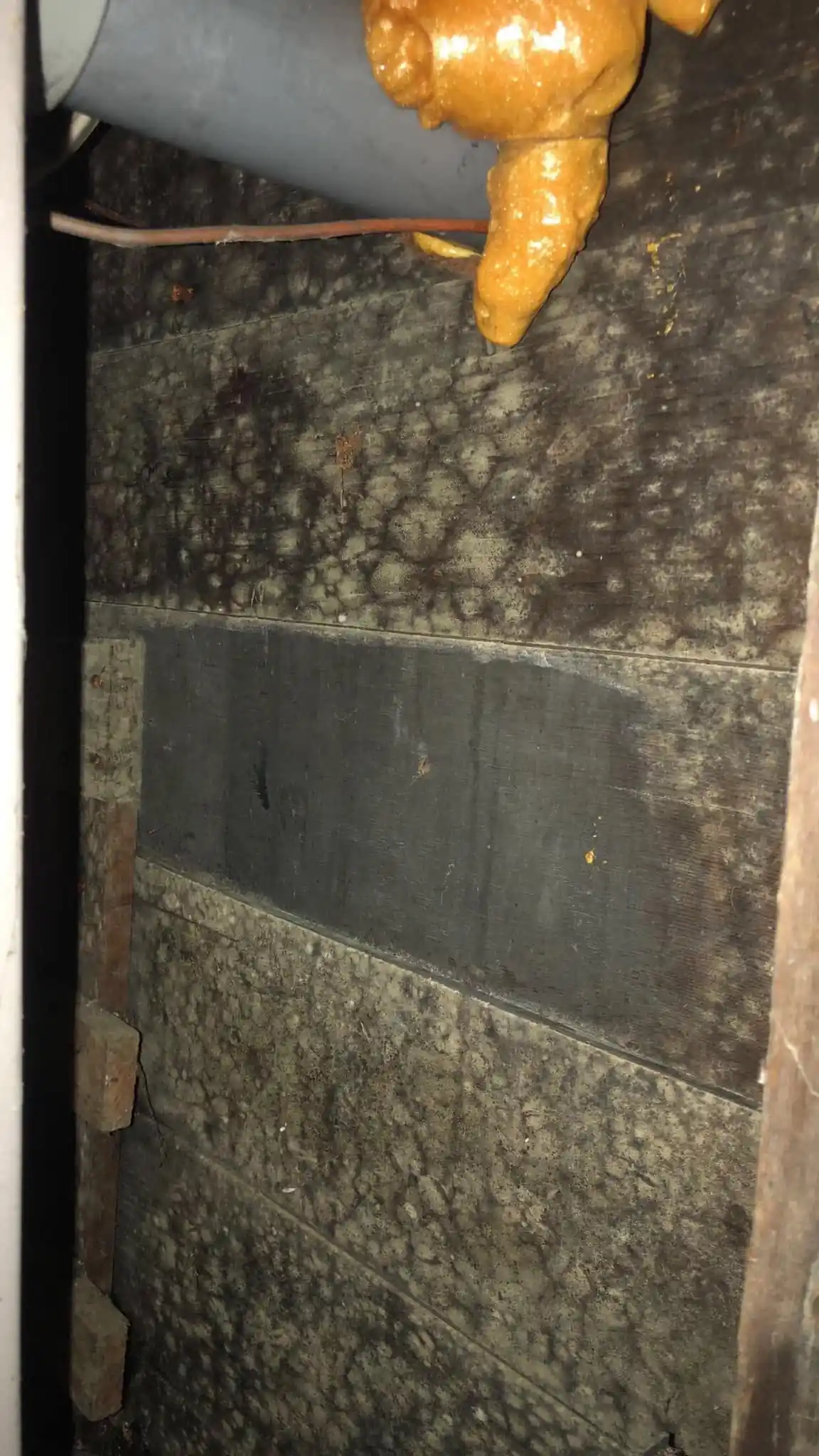
We find mold inside walls and ceilings before it spreads further.
Most calls fall into a handful of situations. Here are the ones we see most across Everett.
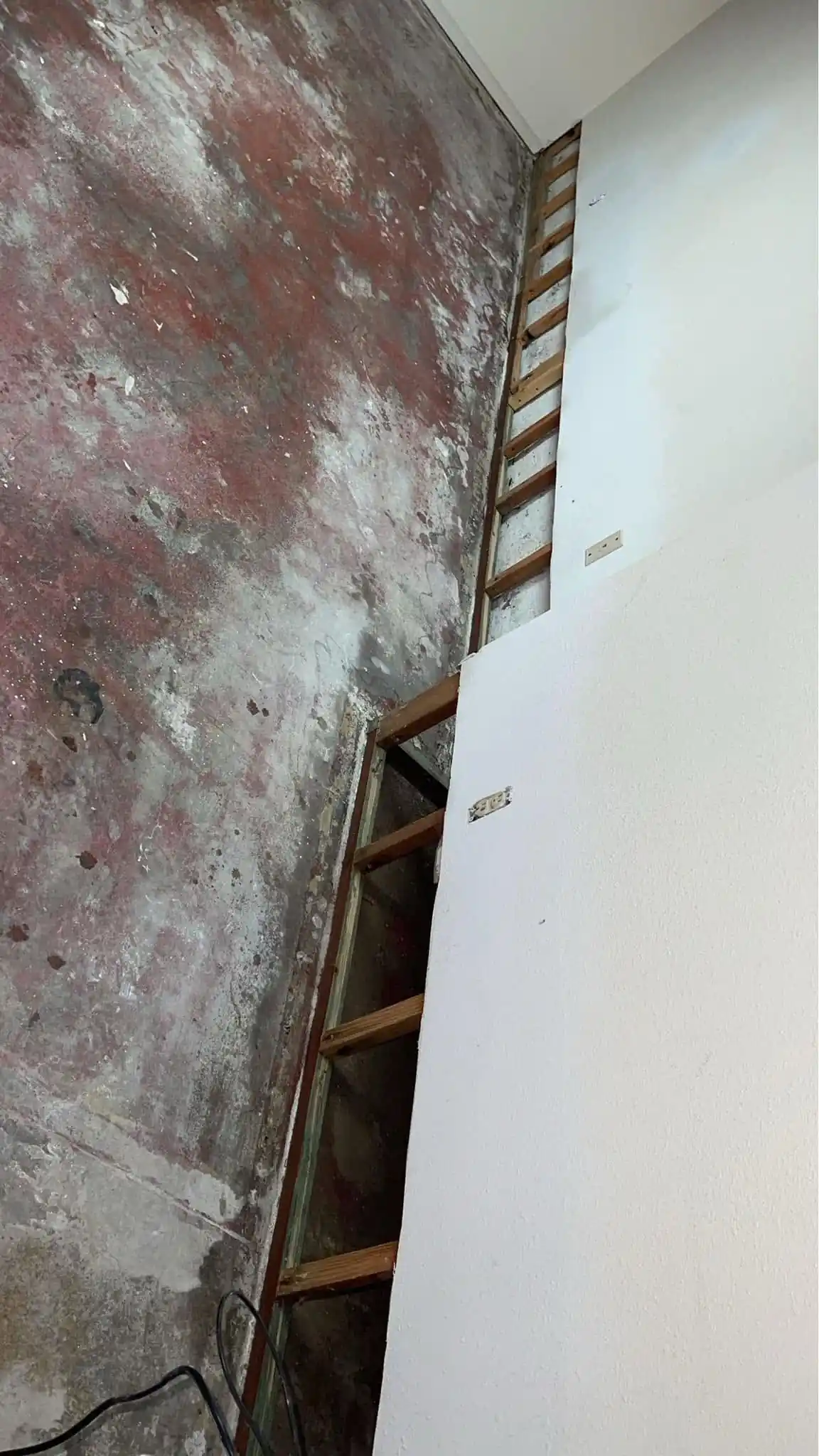
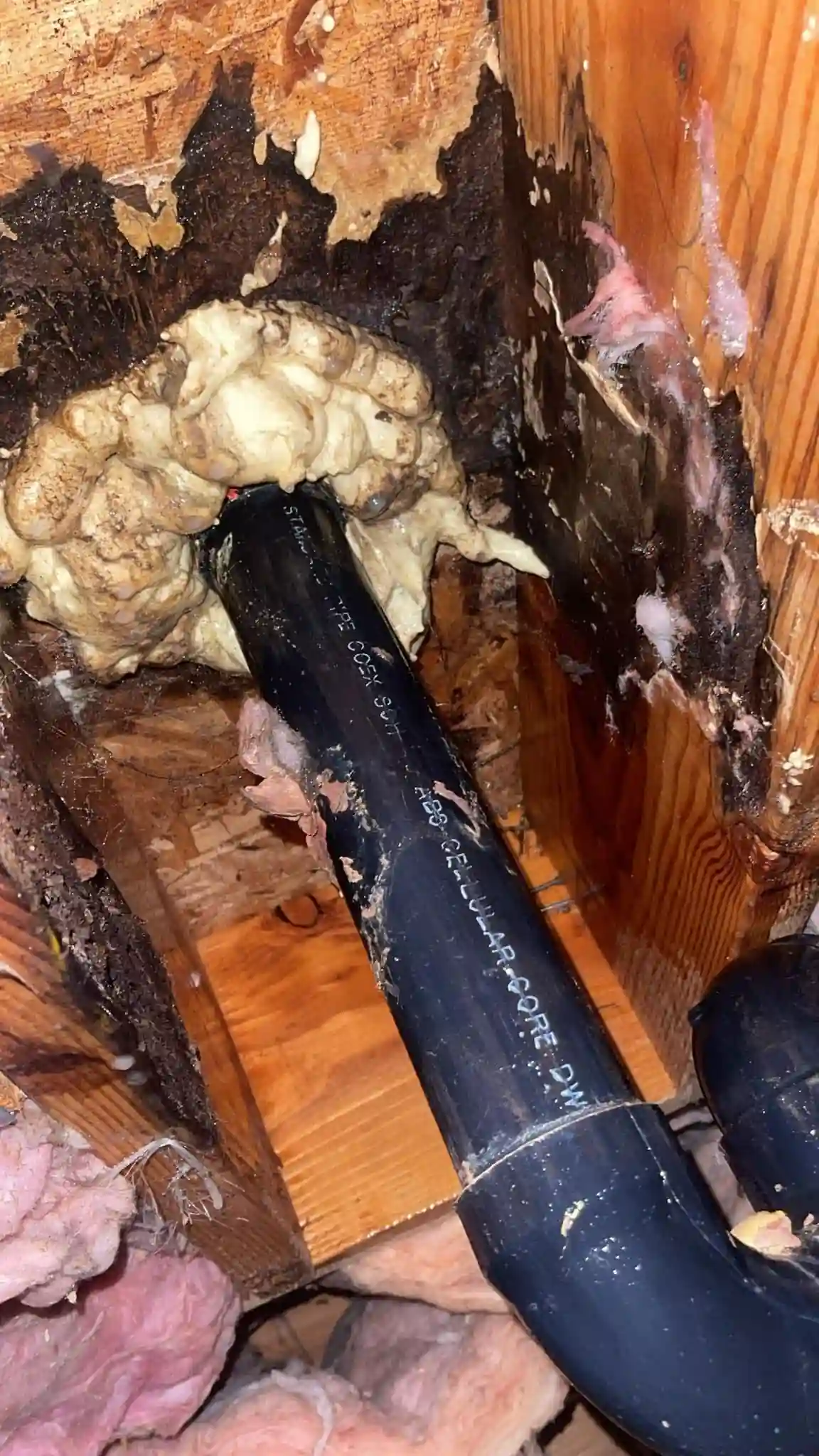
A leak from an upstairs bathroom, toilet, or roof soaks the ceiling and grows mold on the hidden side first — often in a finished basement ceiling. We find the leak source, dry the cavity, remove the ruined material, and treat the area.
Everett basements trap moisture, so finished ceilings and walls are common trouble spots. These jobs usually run $500 to $3,000. We remove the growth, dry the space, and fix the moisture feeding it.
When furniture blocks airflow against a cold outside wall, moisture builds and mold grows. This is why closets are such a frequent spot. These jobs are common and very fixable once the airflow and moisture are corrected.
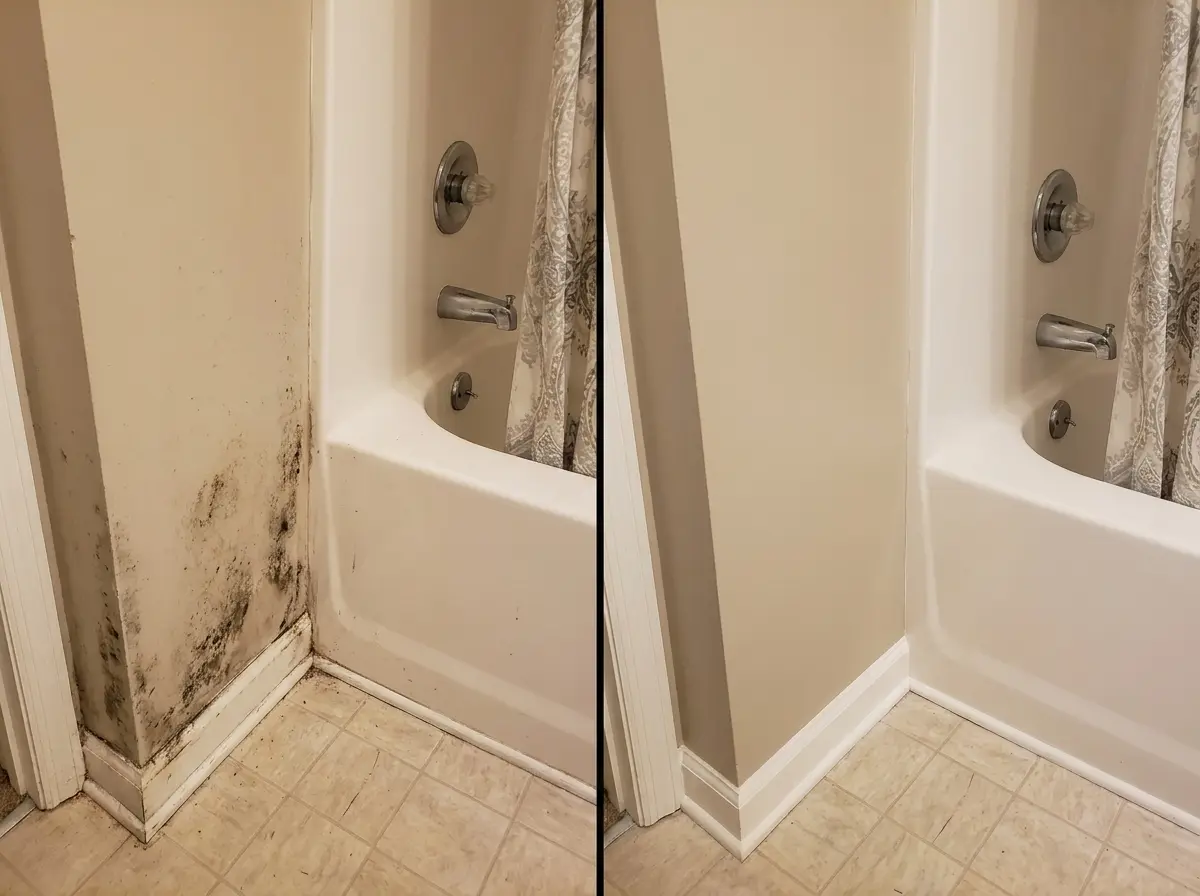
When warm indoor air meets a cold wall or window, water condenses and mold follows — common during Everett's cool, wet months. The fix is removing the growth and controlling the moisture so it does not return.
Small growth on grout or painted surfaces can be minor. But if it keeps coming back, that is a sign of a hidden moisture problem worth a free inspection.
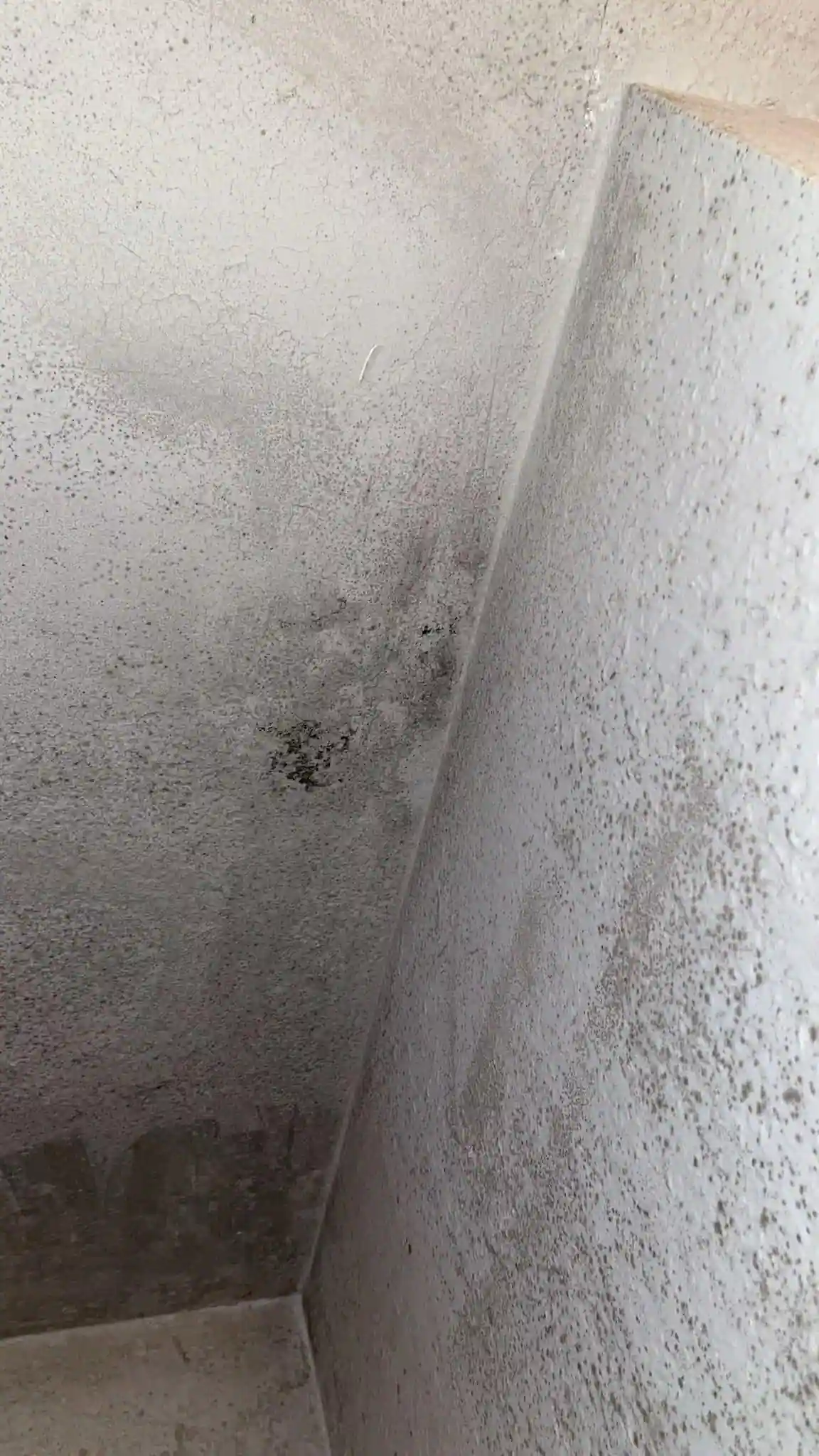
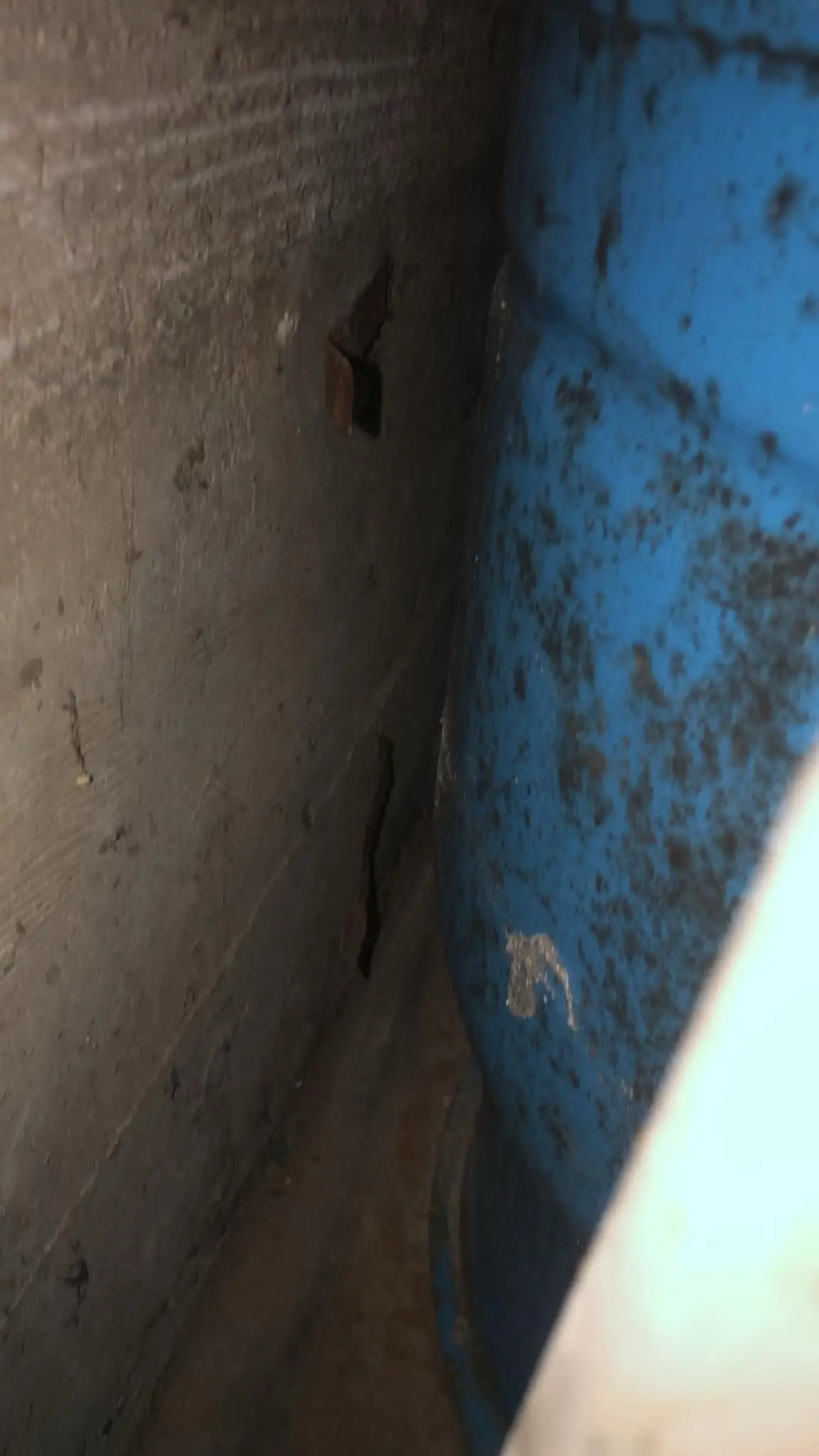
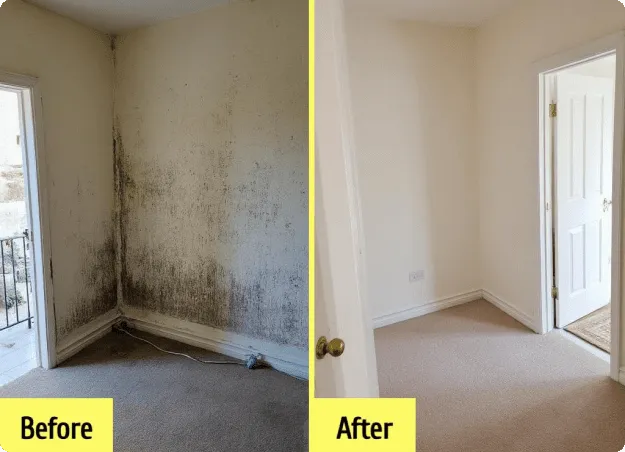
Dark, patchy growth in a damp corner gets treated with the same careful containment process as any mold. We find and stop the water feeding it, seal the area, run HEPA filtration, remove affected material, and verify the air is clean.
Dark, patchy growth in a damp corner is the kind of thing people want looked at right away, and that worry is fair. Here is a straight, honest guide to what black mold is and how we remove it safely.
The term usually points to a dark green or black patch that shows up on damp drywall, wood, or grout. The CDC advises that you do not need to identify the exact species to act. If mold is growing indoors, it needs to be removed and the moisture behind it fixed. The color does not change that basic rule.
For most healthy people, brief contact is not a serious threat. But the Washington State Department of Health notes that people with allergies or asthma can react with coughing, a runny nose, eye irritation, or congestion. If someone in your home has breathing trouble, do not wait.
It is tempting to wipe it away with bleach, but that often makes things worse. The EPA recommends that any moldy area larger than 10 square feet be handled by a professional. Scrubbing sends spores across the room, and surface cleaning leaves the roots inside porous material. Without fixing the moisture source, it grows right back.
Free Inspection — No PressureA small closet spot can move into the wall framing and next room within weeks. What starts as a $500 fix can turn into a $6,000 one once it reaches the studs, subfloor, or HVAC system.
A mold history must be disclosed when you sell in Washington. Active growth and past water stains lower offers and can stall a sale during inspection. Fixing it early protects your resale value.
The longer spores circulate, the more they affect anyone with allergies or asthma. Ongoing coughing, congestion, and doctor visits are a real cost of waiting most people do not count until later.
Every job follows the same six-step protocol, built around the ANSI/IICRC S520 standard for mold.
We locate the growth and the water feeding it using moisture meters and an infrared camera. Fixing the moisture source comes first, because growth returns without it.
We seal off the work zone with plastic barriers and negative air pressure so spores cannot drift into clean rooms. Setup takes two to four hours and keeps the rest of your home safe.
HEPA air scrubbers and vacuums capture airborne spores while we work. This step protects the air in the rest of the house during removal.
We take out ruined porous materials — drywall, insulation, carpet — then clean hard surfaces with antimicrobial treatment. This takes one to five days depending on spread.
We dry the area fully with industrial equipment. Growth needs moisture, so complete drying is the step that keeps it from coming back.
A final inspection and air check confirm the growth is gone and spore counts are back to normal. This is the step budget crews skip — it is the one that proves the job is done.
Ready to remove mold from your Everett home?
One call covers inspection, containment, removal, and full documentation.
Once the growth is gone, the job is not done until we prove it and protect against it coming back. Here is what you can expect.
We run a final air check to confirm spore counts are back to a normal range. You get a written clearance report showing the area is safe — useful for your records, your insurer, and any future home sale.
Mold only returns when moisture does. Before we finish, the leak, condensation, or humidity problem that fed the growth is corrected, so you are not looking at the same spot again in six months.
We leave you with simple steps for Everett's damp climate: keep indoor humidity below 60 percent, run bathroom and kitchen fans, and pull furniture a few inches off cold outside walls. The EPA notes that controlling humidity is the single best way to stop mold from returning.
For most healthy people, small amounts of household mold are not a serious danger. But the Washington State Department of Health notes that people with allergies or asthma can react with a skin rash, runny nose, eye irritation, cough, or congestion.
Size matters too. The EPA recommends that any moldy area larger than 10 square feet be handled by a professional, since disturbing it can spread spores through the house. Hidden growth inside walls or a ceiling is also best left to a trained crew with proper containment.
We are not here to scare you. We are here to give you a straight read on what you have and what it will take to fix it.
Call for an Honest AnswerBeyond the health side, mold does real structural harm, and our damp climate speeds it up. Here is what it attacks.
Mold eats into porous drywall, leaving it soft, stained, and unsafe to keep. It usually has to be cut out and replaced — not just painted over.
Left long enough, mold and the moisture behind it rot structural wood — far more expensive to repair than drywall and a serious safety issue.
Moldy insulation loses its R-value and cannot be cleaned. It has to be removed and replaced to keep the space efficient and prevent spore spread.
When mold reaches ductwork, the system spreads spores to every room each time it runs — turning a local problem into a whole-home one that costs far more to fix.
In Everett's wet, cool climate, indoor humidity stays high for months at a time, so damage that might take years elsewhere can happen in a single season here.
Most mold jobs run $15 to $30 per square foot, or about $1,500 to $6,000 total, based on national cost data. Small surface spots can be a few hundred dollars. Large or hidden growth runs higher.
| Mold Location | Typical Cost in Everett |
|---|---|
| Bathroom or small surface spot | $500 to $1,500 |
| Closet or single wall | $800 to $2,500 |
| Basement | $500 to $3,000 |
| Attic | $1,000 to $4,000 |
| Crawl space | $1,500 to $4,000 |
| Whole-home or hidden growth | $6,000 to $10,000+ |
| Everett average | $1,500 to $6,000 |
Homeowners insurance usually covers mold only when it comes from a sudden, covered event, like a burst pipe or an overflowing toilet. If your growth started that way, you may be covered. Mold from long-term humidity, condensation, or slow neglect is usually not covered. We document the source and bill your insurer directly when it is a covered event.
Call Water Restoration Pros for a full quote that covers inspection, testing if needed, and cleanup in one estimate. No separate invoices, no surprise charges. You know what it costs before we start.
Get a Full QuoteWant a full quote with mold remediation and repairs included?
Free same-day assessment — we document and bill your insurer directly.
We serve all of Everett, including zip codes 98201, 98203, and 98208. Our damp Pacific Northwest climate keeps indoor humidity high, and older Everett homes with cold outside walls and less ventilation are especially prone to condensation mold.
Most mold jobs in Everett run $1,500 to $6,000, or about $15 to $30 per square foot. Small surface spots can be a few hundred dollars, while large or hidden growth costs more. If the mold came from a covered event like a burst pipe, insurance may pay for it.
Insurance usually covers mold only when it comes from a sudden, covered event, such as a burst pipe or an upstairs toilet overflow. Mold from long-term humidity, condensation, or neglect is normally not covered. We document the source and bill your insurer directly when the event qualifies.
Yes. Water Restoration Pros inspects the visible growth, checks for hidden moisture with meters and an infrared camera, and gives you a written quote at no cost. You get an honest read on how serious it is before you spend anything or commit to any work.
It depends on the size and where it is. The EPA says any moldy area over 10 square feet, or growth on porous material like drywall, needs a professional. You cannot always tell how deep it goes by looking, so a quick inspection is the safest way to know.
Mold can cause allergy-type symptoms in sensitive people, like coughing, congestion, or eye irritation. The CDC says you do not need to identify the exact type to know it should be removed. We treat all growth with the same safe containment steps, whatever the color.
Not always. The EPA notes that if mold is already visible, testing is often unnecessary before cleanup. Testing helps when the mold is hidden, or to confirm the air is clean afterward. It runs about $250 to $350, and we will tell you honestly if you need it.
Most Everett jobs take one to five days, depending on how far the mold has spread, plus drying time. A small surface spot can be handled in a day. Larger or hidden growth inside walls and ceilings takes longer because of removal and containment.
A leak from above — such as an upstairs bathroom, a toilet, or the roof — soaks the ceiling and grows mold on the hidden side first. This is very common in finished basement ceilings. Fixing the leak is always the first step, then we remove and treat the growth.
The Washington State Department of Health notes that mold grows where furniture blocks airflow against cold outside walls, and where condensation forms. This is common in older Everett homes during the wet months. Correcting the moisture and airflow stops it from returning.
The EPA says areas under 10 square feet can often be cleaned by a homeowner. But larger growth, hidden mold, or any home with allergy or asthma sufferers should be handled by a professional who can contain the area and remove it safely without spreading spores.
Still have questions about mold remediation?
Our Everett team is live right now — no bots, no hold music.
Our IICRC-certified crew is ready 24/7. We respond in 60 minutes — nights, weekends, and holidays.
(425) 433-9550